The Ultimate Emergency Checklist Essentials
When disaster strikes, being prepared can make all the difference. I’ve learned that having a solid plan and the right supplies ready can help you stay calm and safe. Whether it’s a storm, power outage, or any unexpected emergency, having an emergency checklist essentials ready is key. Let’s walk through what you need to have on hand and how to get ready for whatever comes your way.
Why Emergency Checklist Essentials Matter
Emergencies don’t wait for a convenient time. They can happen anytime, anywhere. That’s why having your emergency checklist essentials ready is so important. It’s not just about having stuff; it’s about having the right stuff that can help you survive and stay comfortable until help arrives or things get back to normal.
Think about it like this: if the power goes out for days, or if you need to leave your home quickly, what would you need? Water, food, a way to communicate, and some basic tools. These essentials cover your basic needs and give you peace of mind.
Here’s what I recommend including in your emergency kit:
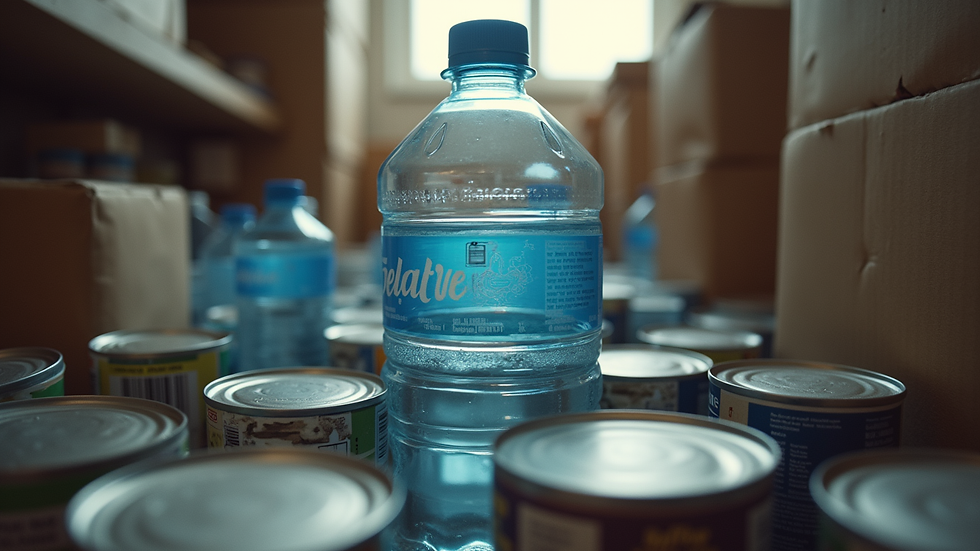
Water: At least one gallon per person per day for three days.
Non-perishable food: Enough for at least three days.
Flashlight and extra batteries: Power outages happen.
First aid kit: For minor injuries.
Medications: Any prescriptions and basic over-the-counter meds.
Multi-tool or Swiss Army knife: Handy for many situations.
Battery-powered or hand-crank radio: To stay informed.
Personal hygiene items: Soap, hand sanitizer, feminine products.
Important documents: Copies of ID, insurance, and medical info.
Cash: ATMs might not work during emergencies.
Having these items ready means you’re not scrambling when things get tough.
Building Your Emergency Checklist Essentials Kit
Now that you know what to include, let’s talk about how to build your kit. Start small and add items over time. You don’t have to buy everything at once. Here’s a simple way to get started:
Pick a sturdy container: A plastic bin with a lid works well.
Gather water and food: Choose foods that don’t need refrigeration.
Add tools and supplies: Flashlight, batteries, radio, first aid.
Include personal items: Medications, glasses, hygiene products.
Store important documents: Use waterproof bags or folders.
Keep cash handy: Small bills are best.
Store your kit in an easy-to-reach place. Make sure everyone in your household knows where it is. Check your supplies every six months to replace expired food or batteries.
Remember, your kit should fit your family’s needs. If you have pets, include food and supplies for them too. If someone has special medical needs, plan accordingly.
What to Stock Up on in Case of 2026 disruption?
While it’s not pleasant to think about, being prepared for any situation, including conflict, is smart. If tensions rise and you want to be ready for war-related emergencies, here’s what to focus on:
Extra water and food: Stockpile more than your usual three-day supply.
Medical supplies: Include bandages, antiseptics, and any special meds.
Communication devices: Walkie-talkies or satellite phones if possible.
Protective gear: Masks, gloves, and basic safety equipment.
Fuel and power sources: Extra batteries, portable chargers, and fuel for generators.
Cash and barter items: In case electronic payments fail.
Important contacts list: Family, friends, emergency services.
Keep these items in a secure, accessible place. Stay informed through reliable news sources and official channels. Planning ahead can help you stay safe and calm if things get uncertain.

Staying Safe and Informed During an Emergency
Having supplies is just one part of being prepared. Knowing what to do during an emergency is just as important. Here are some tips to keep you safe:
Have a family emergency plan: Know where to meet and how to communicate.
Stay informed: Use a battery-powered radio or smartphone alerts.
Follow official instructions: Evacuate if told to, or shelter in place.
Keep calm: Panic can make things worse.
Help others if you can: Check on neighbors, especially the elderly or disabled.
Practice your plan regularly. Run drills with your family so everyone knows what to do. This builds confidence and reduces stress when real emergencies happen.
Keeping Your Preparedness Up to Date
Disaster preparedness isn’t a one-time task. It’s something you maintain. Here’s how to keep your emergency checklist essentials fresh and ready:
Review your kit every six months: Replace expired food, water, and meds.
Update your plan: Add new family members or change meeting spots if needed.
Stay informed about local risks: Know what disasters are common in your area.
Learn basic first aid and CPR: These skills can save lives.
Practice using your gear: Know how to operate your radio, flashlight, and other tools.
By staying proactive, you’ll be ready for whatever comes your way. Remember, preparedness is about peace of mind and safety.
If you want a detailed disaster preparedness checklist to guide you, check out trusted resources online. They offer great templates and tips to customize your kit.
Being ready for emergencies doesn’t have to be overwhelming. Start with the basics, build your kit over time, and keep your plan updated. With these emergency checklist essentials, you’ll feel more confident and secure no matter what happens. Stay safe out there!

Comments